
About Us
Welcome to Distromed Services Pvt Ltd
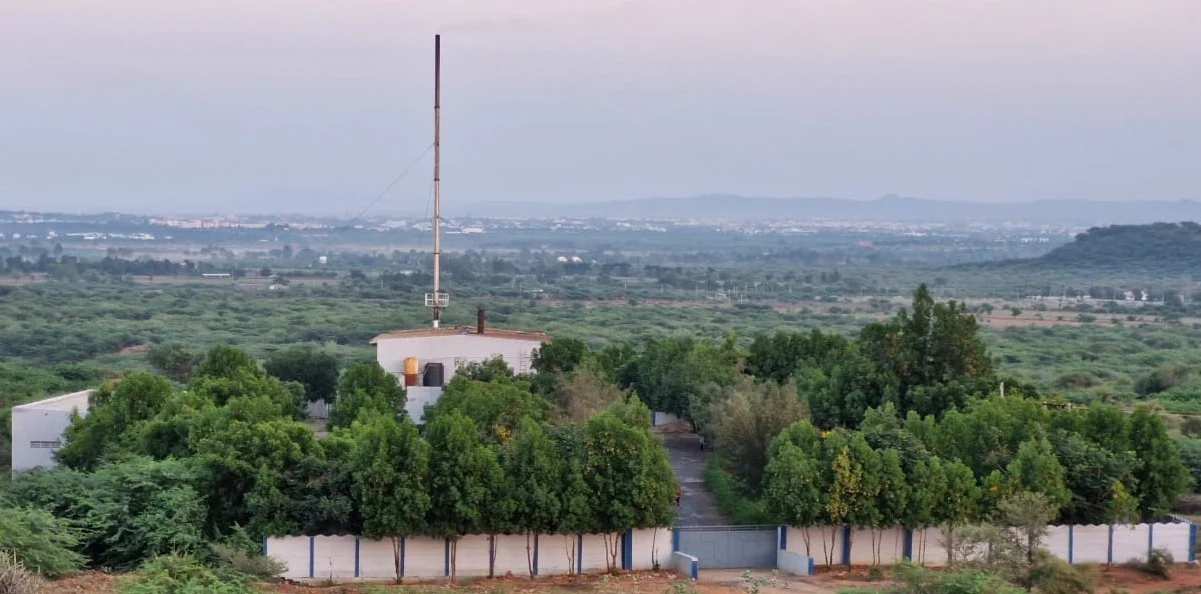
At Distromed Services Pvt Ltd, we specialize in the safe and
efficient management of bio-medical waste generated from healthcare activities, including
the diagnosis, treatment, and immunization of humans and animals, as well as research,
production, and testing of biological materials.
Bio-medical waste poses serious environmental and health risks if not handled properly. This
waste includes sharps (like needles and scalpels), solid waste, disposables, anatomical
waste, contaminated materials, and other hazardous substances. We are committed to adhering
to strict regulatory guidelines to ensure the safe collection, transportation, treatment,
and disposal of such waste.
Mission
Our Mission
Current waste management needs improvement by giving such
education and training. Bio-medical waste management is an activity in which involvement of
patients, doctors, nursing staff. It is not the implementation of Bio-medical waste
management rules but public behavior that is going to make the difference.
No waste management policy will be effective unless applied daily by all involved staff,
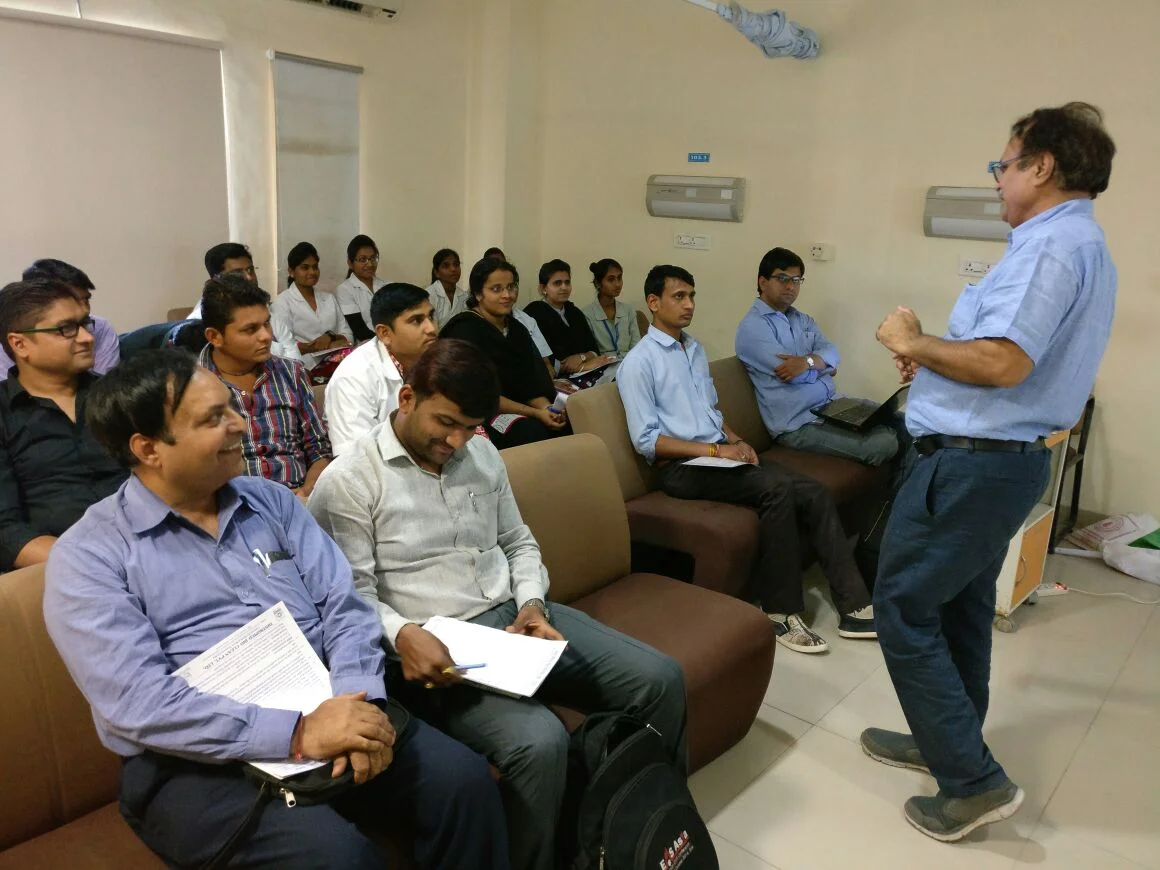
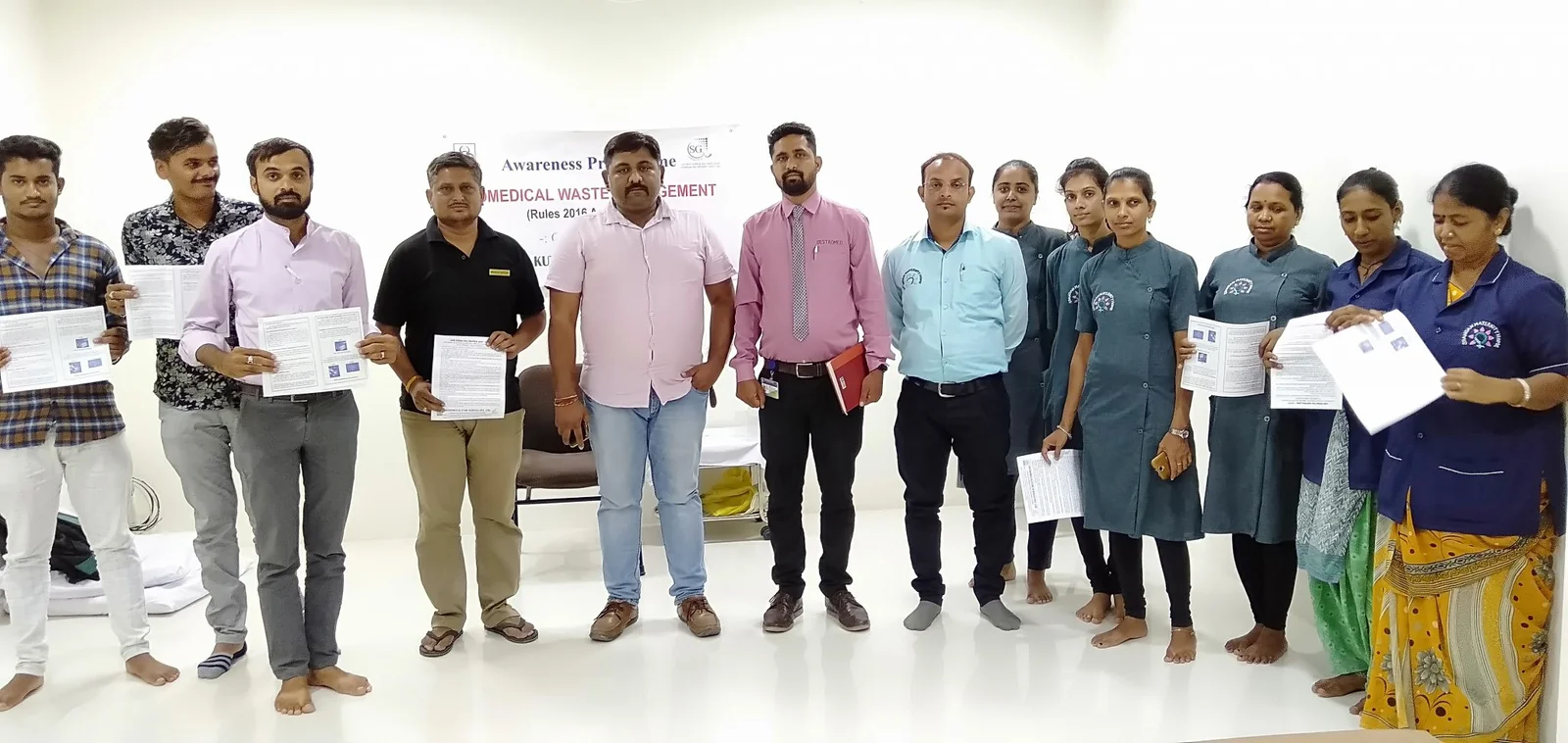
consistently and accurately. Aim of training is to develop awareness in participants for
health, safety and environmental protection issues
Traning Activities
Training activities should be designed for four main categories.
01. Personnel
Training for all personnel involved in healthcare waste management and day-to-day hospital operations.
02. Managers & Regulatory Staff
Training focused on responsibilities, regulations, supervision and implementation of waste management policies.
03. Medical Doctors & Nurses
Practical training on safe handling, segregation and disposal of biomedical waste in healthcare facilities.
04. Cleaners, Waste Handlers & Drivers
Training in safe collection, handling, transportation and disposal of healthcare waste.
Training Approach
Training Approach
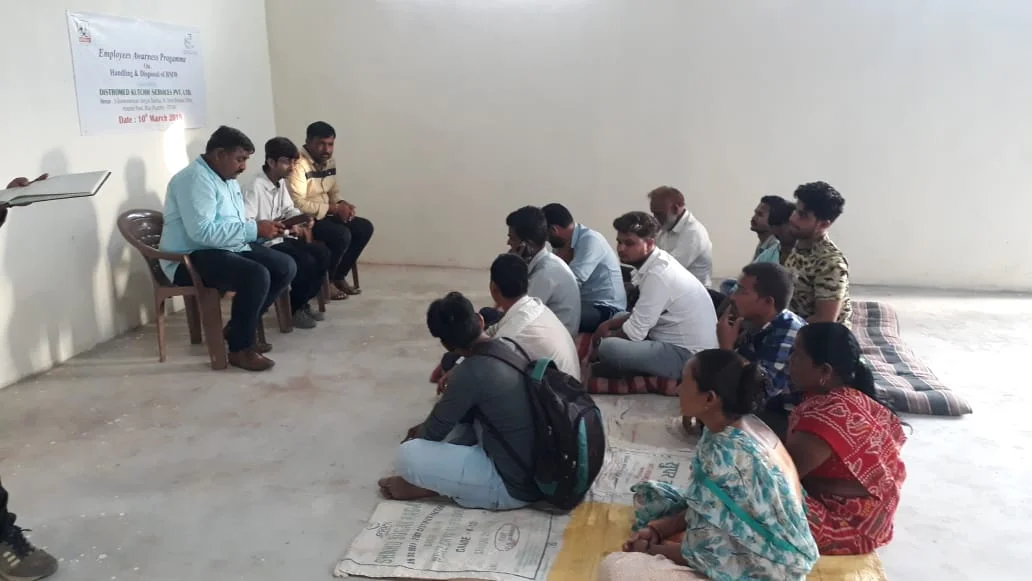
Training should cover healthcare waste policy, responsibility,
and instruction on the application of appropriate practices.
A practical, hands-on approach to training in small groups
would be preferred. Periodic repetition of courses should
also be encouraged to ensure that staff remain familiar
with proper waste management procedures.
The objective is to provide effective training at affordable
rates while ensuring safe and responsible healthcare waste
management practices.
Environmental Impact of Biomedical Waste
Bio-medical waste can cause water pollution. If the waste is dumped in low-lying areas or in lakes and water bodies, it can cause severe water pollution. Any liquid waste that spills and enters water can provide favourable conditions for the growth of microorganisms.
Heavy metals present in bio-medical waste can also contribute to water pollution. Poor landfilling technology may result in the formation of leachates. Excess nutrients such as nitrates and phosphates from landfills can cause a phenomenon called eutrophication, where algal blooms develop on the surface of water bodies.
Water, land (soil) and air can therefore act as pathways for the spread of pollutants. Improper waste management can contribute to the spread of diseases such as tuberculosis, pneumonia, diarrhoeal diseases, tetanus, gas gangrene and whooping cough.
Health Hazards
Human immunodeficiency virus (HIV) and hepatitis viruses can spread through bio-medical waste. The general public can also be adversely affected by improper waste management practices.
Dumping bio-medical waste in municipal dustbins, open spaces and water bodies can lead to the spread of diseases. Emissions from incinerators and open burning may also expose people to harmful gases associated with respiratory diseases and other health problems.
Injuries from sharps are also a common hazard associated with improperly managed biomedical waste.
Impact on Animals & Environment
Biomedical waste can also create health hazards for animals and birds. Plastic waste can choke animals that scavenge on openly dumped waste, while injuries caused by sharp objects can affect animals.
Harmful chemicals such as dioxins, furans and heavy metals in the soil can affect the reproductive health of animals.
Improperly dumped waste can therefore have a long-term impact on wildlife and the surrounding environment.
Team
Meet Our Team


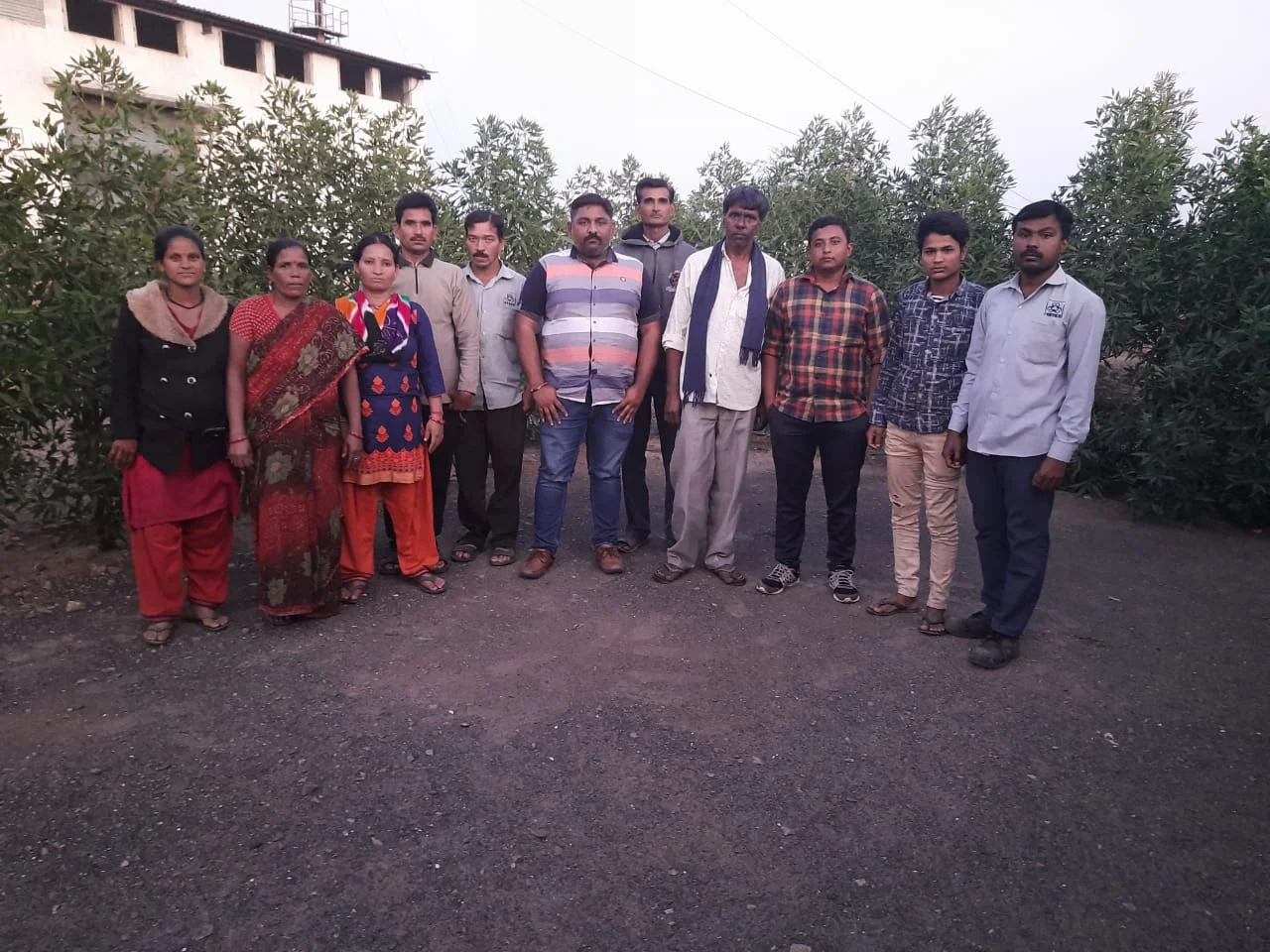
D’pharm, B.sc(Chemical)

M.sc (Medical)-MICRO

M.sc (Medical)-MICRO
Instrumentation
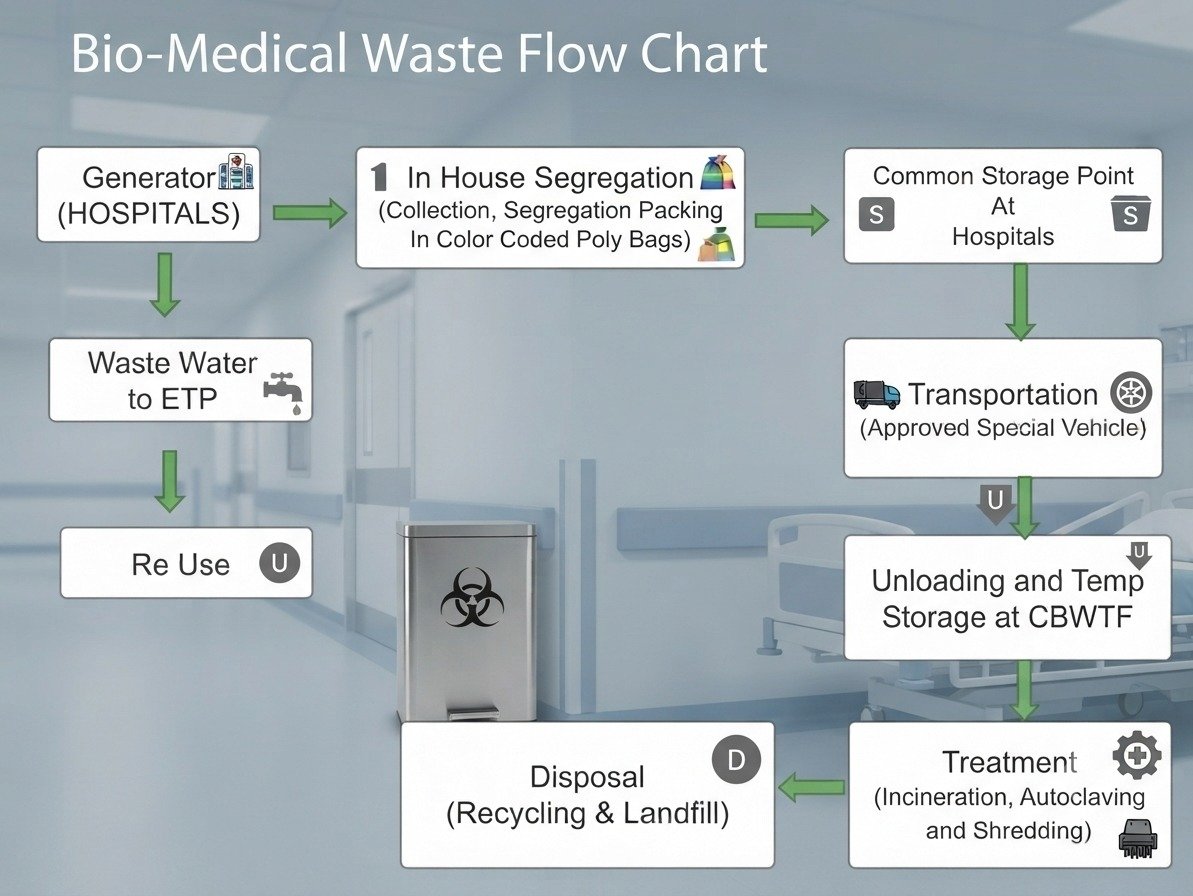
Treatment Of Bio-Medical Waste
There are four broad categories of medical waste treatment
technologies, adopted high temperature combustion incineration method under controlled
conditions to convert Bio-medical waste into ash.
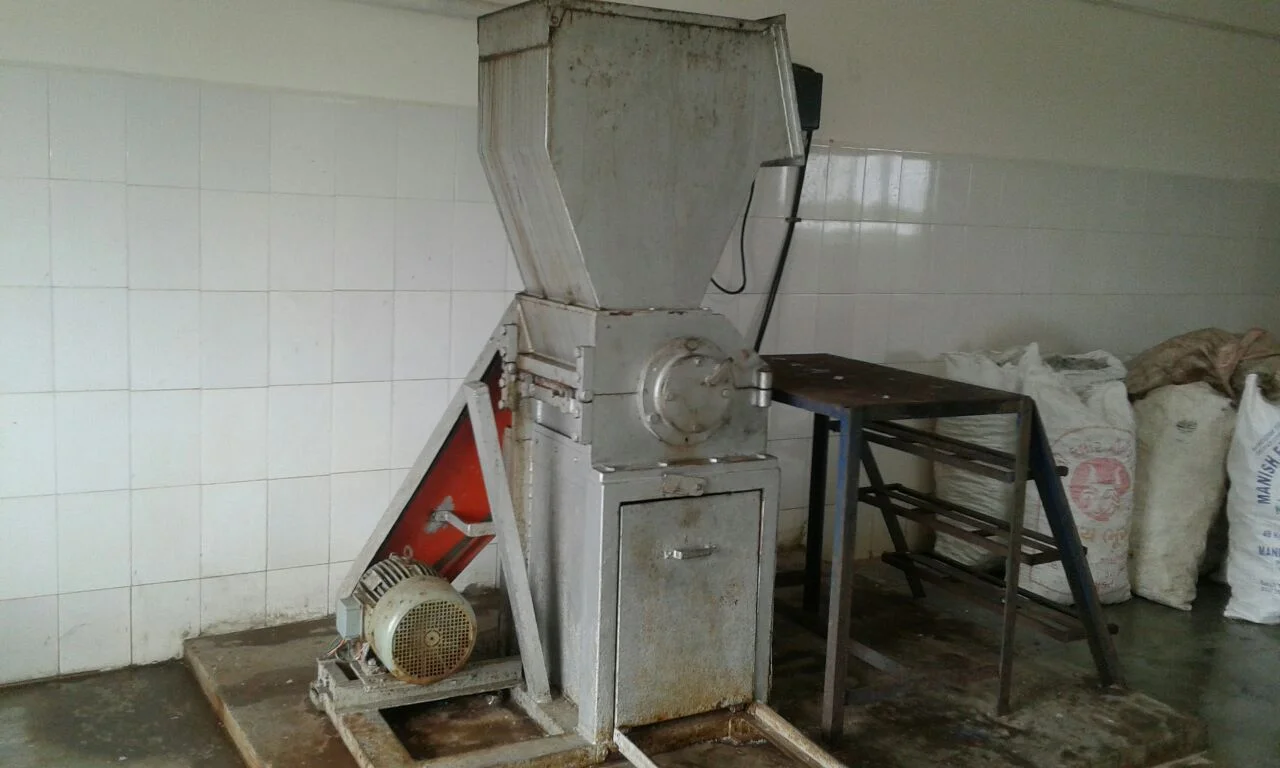
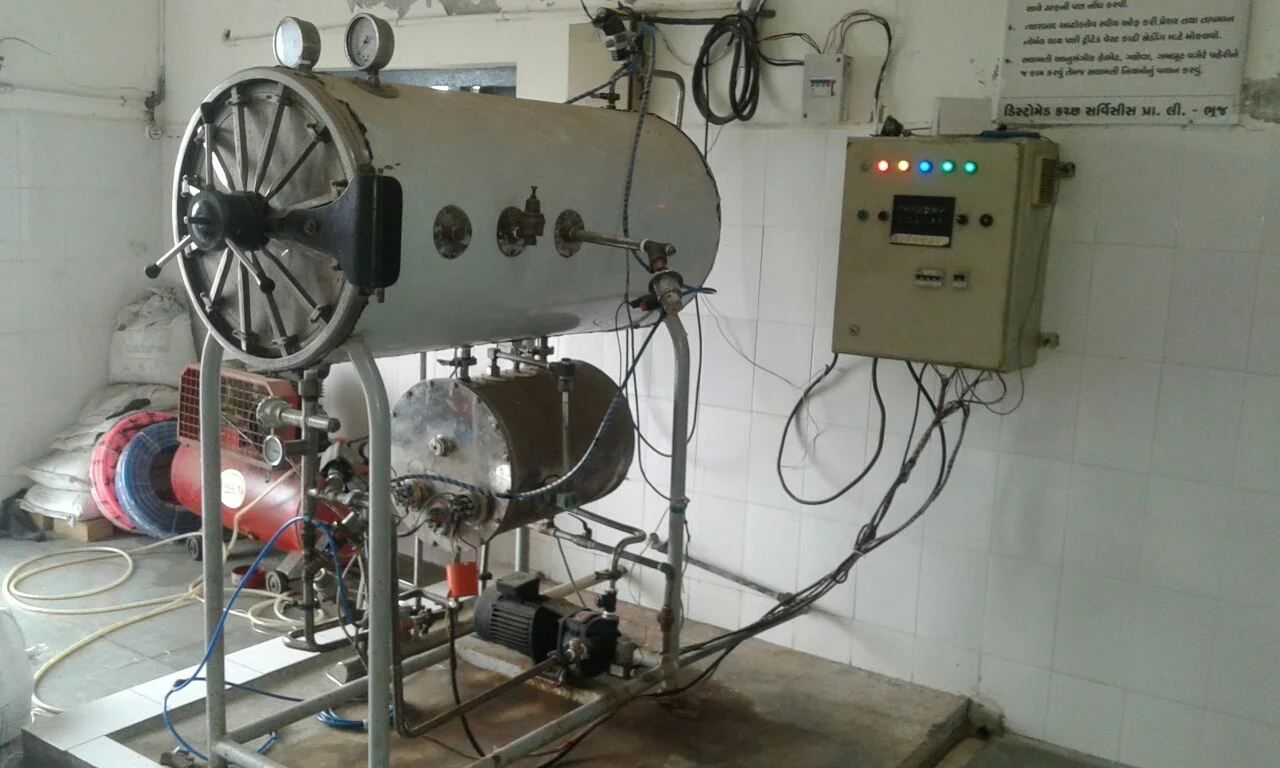
Incase of plastic Bio-medical waste, We perform autoclaving.
It is a LOW-HEAT-THERMAL process and is designed to bring steam into direct contact with
the waste in a controlled manner and for sufficient duration to disinfect the waste.
Transportation
Instrumentation
The year 1998 saw the Indian government taking major
indications to control and reduce various types of environmental pollution. The bio-medical
waste management and handling rules have been notified in 1998. if regulated disposal of bio
medical wastes and lays down the procedures for collection, treatment and disposal and
standards to be compiled with. To maintain the environmental standard it requires such
instrumentation for disposal of bio-medical wastes.
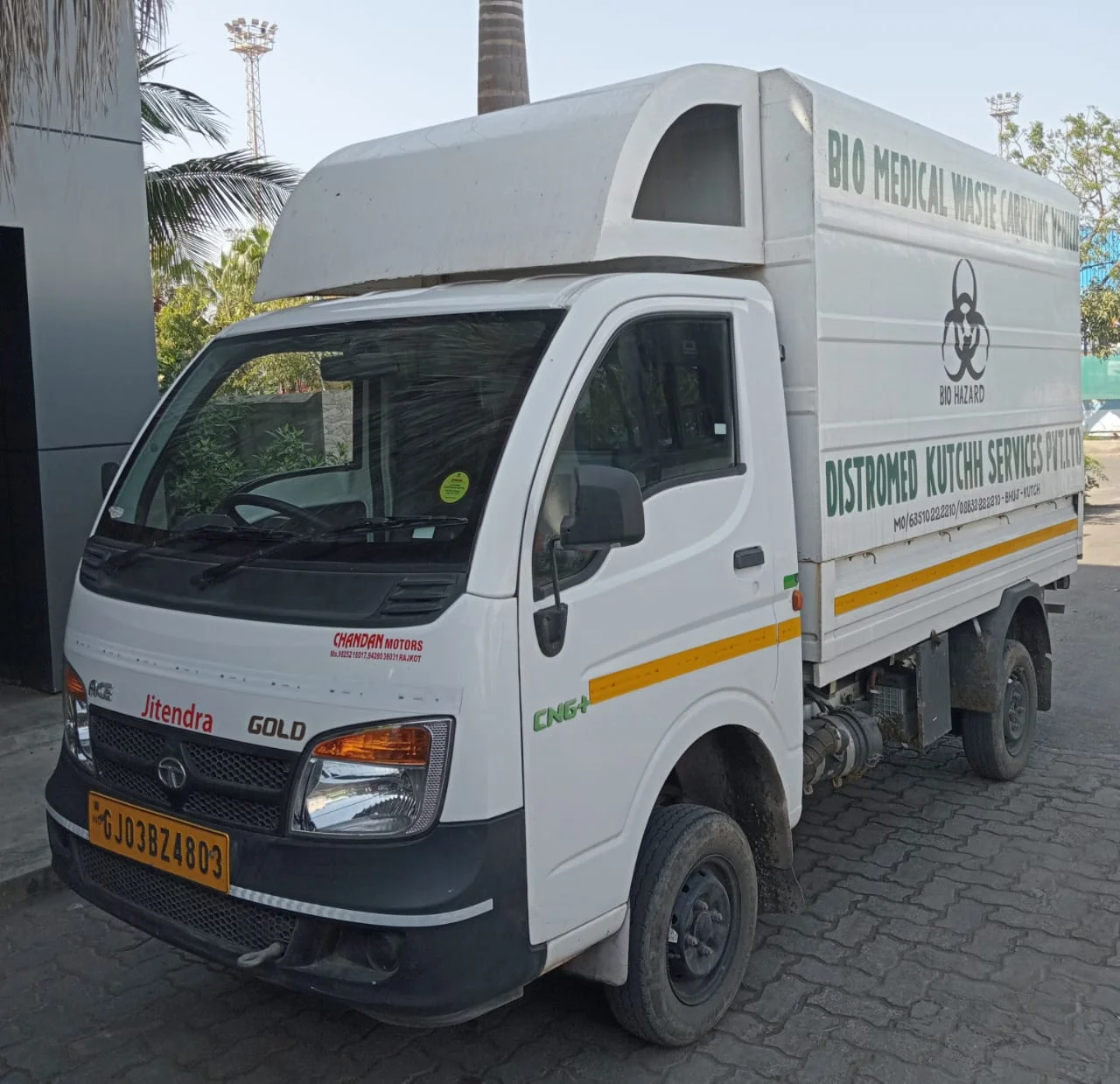
The medical wastes should never be transported with general municipal waste and these should
be kept separate at all stages. Special vehicles must be used to so as to prevent access to
and direct contact with the waste by the transportation operators, the scavengers and the
public. We carry bio-medical waste in a closed container in closed vehicles.